Safe Medication Storage and Disposal
Protect Your Family. Protect Your Community.
Every year, unused and improperly stored medications contribute to accidental poisoning, misuse, and environmental harm. Through our ECHO Pickens County grant, we are making it easier than ever for you to store and dispose of medications safely.
How to Store Medications Safely
- Keep medications in a locked cabinet or storage box
- Store medications in their original containers with clear labels
- Keep track of your medications to prevent misuse
- Never share prescriptions--medications are meant for the person they were prescribed to
How to Dispose of Medications Safely
- Drop Them Off: Use a local medication drop box for safe disposal. Find a location near you or use the map below.
- Dispose at Home: If a drop box isn't available, mix medications with coffee grounds or cat litter, seal them in a plastic bag, and throw them in the trash.
- Use a Drug Disposal Pouch: Behavioral Health Services of Pickens County can provide free Deterra pouches at 208 E. 1st Ave in Easley.
Why Safe Storage and Disposal Matters
- Prevents Accidental Poisoning – Every year, thousands of children and pets ingest medications left within reach.
- Reduces Substance Misuse – Nearly 50% of people who misuse prescription drugs get them from family or friends.
- Protects the Environment – Flushing or tossing medications improperly can contaminate our water supply.
Pickens County is facing a fentanyl crisis.
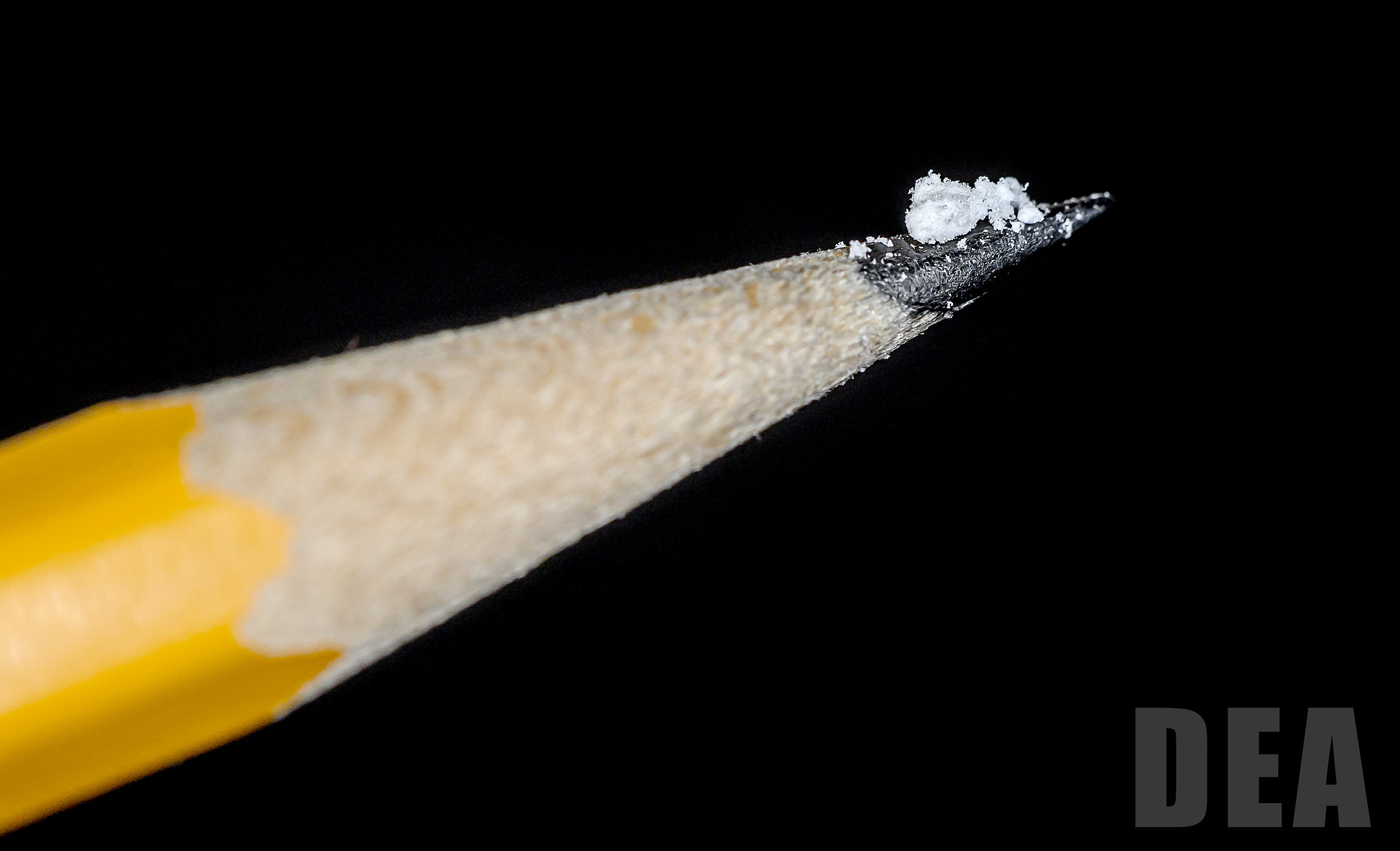
This is a fatal dose of fentanyl
What is Fentanyl?
rhymes with PILL
Fentanyl is a potent synthetic opioid.
- POTENT: Up to 50x stronger than heroin and 100x stronger than morphine; a few grains of sand worth can be lethal
- SYTHENTIC: Not plant-based; made in a lab
- OPIOID: Pain reliever like oxycodone, morphine, and heroin
Illicit fentanyl and its dangers, while well-documented by health professionals and law enforcement, are largely unknown by the general population and even more so to its most vulnerable population: youth and young adults

Why Should I Care?
This is a national public health crisis. People, especially young people, are ingesting illegally manufactured fentanyl without knowing it and dying at alarming rates as a result. Americans are now more likely to die from an opioid overdose than they are from a car accident or by gun.
Fentanyl is very cheap and extremely addictive. Drug dealers are dangerously mixing illicit fentanyl with, and disguising it as, other common drugs like oxy, Percocet, Adderall, and Xanax to increase profits. This process is not regulated and does not undergo any kind of quality control. Drug users have no way of knowing what they are getting in illegally-purchased drugs, and as little as two milligrams (two grains of sand) can kill a person.
Fentanyl is everywhere. An estimated 250-500 million pills made with fentanyl are in circulation in the U.S. at any time. This doesn't even account for powder drugs made with fentanyl such as cocaine, MDMA (molly/ecstasy), or heroin.


Naloxone (Narcan) Can Save a Life
Opioid overdoses can happen to anyone—whether from prescribed medication or illicit substances like fentanyl. Naloxone (Narcan) is a life-saving medication that can reverse an opioid overdose in minutes.
Where to Get Naloxone
💊 Available at most pharmacies without a prescription and is now available over-the-counter
🆓 Many community organizations provide free Naloxone kits.
📍Community Distributors of Narcan Near You
Behavioral Health Services of Pickens County is a community distributor of Narcan. If you or someone you know might be in danger of an opioid overdose, BHSPC can provide it for free after a brief training.
How to Use Naloxone
1️⃣ Check for signs of overdose – Unresponsiveness, slow or no breathing, blue lips or fingernails.
2️⃣ Give Naloxone – Spray 1 dose into the nose or inject as directed.
3️⃣ Call 911 – Emergency help is still needed.
4️⃣ Perform rescue breathing if necessary.
5️⃣ Give a second dose after 2-3 minutes if the person doesn’t wake up.
🛑 Good Samaritan Law: In most states, including South Carolina, calling 911 for an overdose won’t get you in trouble—don’t be afraid to call for help.
All fentanyl information comes from www.fentanylawarenessday.org